
Alexandria Previous Resident Sources
Different eras leave different kinds of evidence. Modern Alexandria property work begins with the Assessor and recorded instruments. Older research leans more heavily on directories, census schedules, fire-insurance maps, newspapers, and archive collections. None of these sources alone establishes a continuous household. The era table shows where each can contribute and where its limits begin.
| Source | Years it covers | Where held | What it shows |
|---|---|---|---|
| Sanborn maps | 1885, 1892, 1896, 1904, 1909, 1914, 1921, 1928, 1951 | Library of Congress | Mapped blocks, footprints, materials, and uses, not occupants |
| Federal census | 1850 through 1950 public schedules | National Archives | Dated households, ages, birthplaces, street or enumeration context |
| Alexandria directories | 1906 and documented runs from 1912 through 1970 | Google Books, NPS evidence, libraries | Name, occupation, spouse, business, and residence leads by edition |
| Digitized newspapers | Titles beginning in 1852 | Rapides Parish Library archive | Notices, obituaries, events, legal ads, and address references |
| Recorded instruments | Selected material from 1865; major online coverage from 1984 | Rapides Parish Clerk | Owners and legal transfers through dated documents |
| Parcel and city files | Current and modern records | Assessor, GIS, City custodian | Parcel identity, situs, legal description, maps, and requested permits |
Start with the source closest to the target year. A 1934 directory may identify a household lead, while a 1928 Sanborn sheet helps confirm the block and building. A later deed can bridge the same lot through its legal description. Record an edition, sheet, page, or instrument citation instead of writing a seamless story from unmatched names.
Trace Rapides Deeds Backward
The most reliable modern path to Alexandria previous residents begins with the land, not a surname. Search the current situs address in the Rapides Parish Assessor record. Save the parcel or assessment number, owner field, separate mailing address, legal description, subdivision, map reference, and last transfer lead. Then move to the Recorder index. Ownership is only one part of house history, but it supplies a stable parcel and legal chain.
- Find the current parcel through the Rapides property search and preserve its legal description exactly.
- Search the current owner as grantee in RAPID E-Search or eClerksLA. Capture the purchase instrument, seller, date, book/page, and image reference.
- Search that seller as a grantee to locate the earlier acquisition. Confirm that the legal description matches before accepting it.
- Repeat through cash sales, donations, partitions, successions, heirship judgments, and later corrective or cancellation records.
- When the online trail ends, request the cited physical book or instrument from the Rapides Parish Recorder.
RAPID's conveyance index and images begin in January 1984. Selected recording index and image material reaches back to January 1865. The mortgage index and images begin in 1984, while plats are indexed from 1984 without images in the published coverage. Coverage varies, so an online stopping point is not proof that no earlier instrument exists.
- Grantor and grantee
- The grantor transfers an interest; the grantee receives it. Search a seller as an earlier grantee to move backward.
- Chain of title
- The linked sequence of recorded interests affecting the same land.
- Legal description
- The lot, block, subdivision, metes-and-bounds, or other land description that can remain useful when a street address changes.
Map Past Alexandria Buildings
Sanborn fire-insurance maps supply the physical layer that deeds and names often lack. The Library of Congress has Alexandria map sets for July 1885, June 1892, June 1896, 1904, 1909, 1914, 1921, 1928, and 1951-era coverage. Start with the key map and sheet number. Compare street labels, adjoining structures, building footprints, materials, and recorded use.
A Sanborn sheet does not name a resident or current owner. Pair it with a directory entry from the same period and a deed or plat that establishes the legal parcel. The 1928 through 1951 catalog record has date-range complexity, so save the exact sheet and edition rather than calling every image a 1928 map.
The 1885 Alexandria Sanborn set contains two sheets and offers a clear starting point for the early mapped city. It can show whether a target block was mapped before a later number or building appeared.
Follow Alexandria Directory Years
The documented Alexandria directory trail changes publishers and layouts. A 1906 volume is available through Google Books. The Downtown Alexandria nomination documents Piedmont Directory Company issues in 1912, 1914, and 1918; Interstate Directory Company runs in 1921, 1928, 1929, 1931, 1934, and 1938; C.B. Page volumes in 1945 and 1947; and R.L. Polk issues from 1954 through 1970. A source that documents an edition does not guarantee every page is online.
The successful 1906 Alexandria directory source provides a digitized entry point.
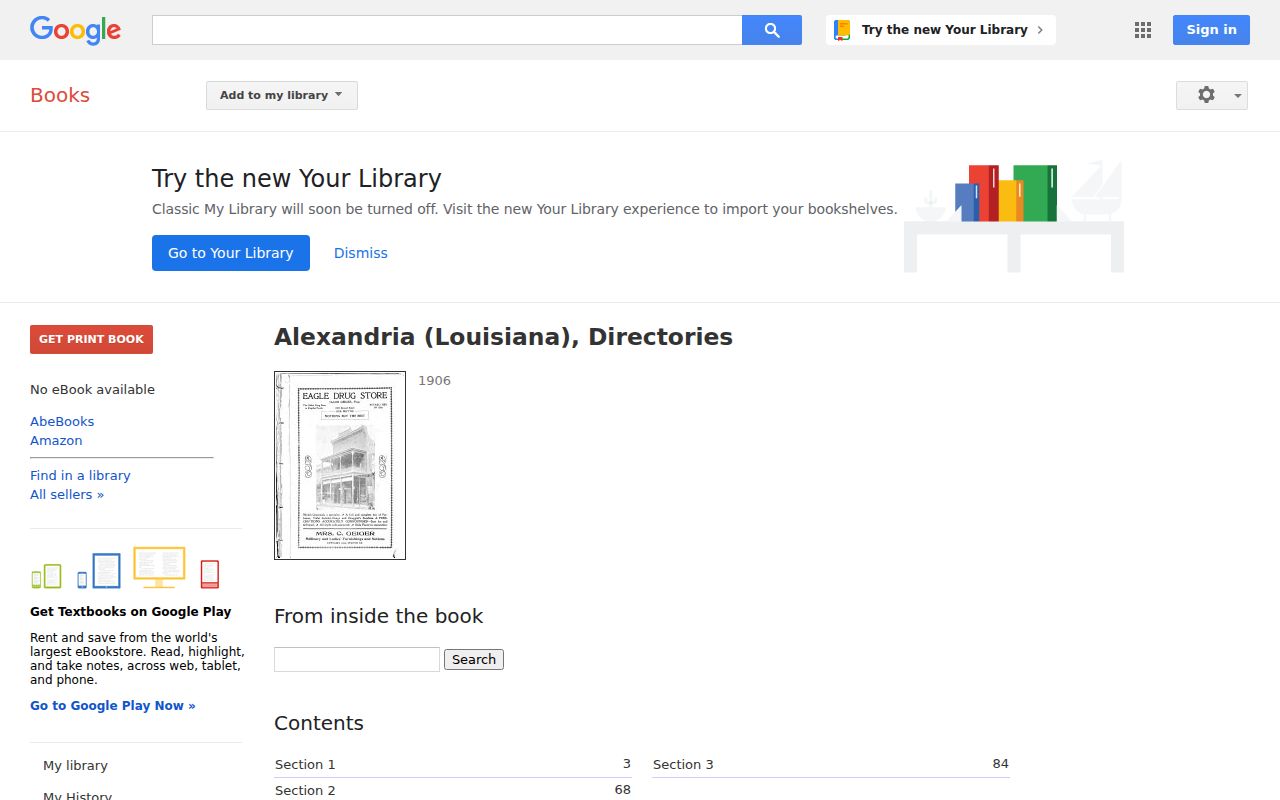
Search a name and an address separately. Check nearby street entries, spouse names, occupation, business address, and abbreviation key. A missing entry can reflect an omitted edition, changed spelling, a number shift, or a person outside the directory's scope. It does not prove absence from Alexandria.
Pair Alexandria Directories and Census
Directories fill many gaps between census years, while public federal schedules can show a whole household. The National Archives provides census records through 1950 under the 72-year access rule. The 1890 schedules were mostly destroyed. Match Alexandria, Rapides Parish, ward or enumeration district, street, household, and age details instead of accepting a same-name result.
- Choose the directory edition closest to the target census year and transcribe the name, address, spouse, occupation, and exact page.
- Search the census using the same surname and place. Test spelling variants without replacing the source spelling.
- Compare household members, ages, birthplaces, street, house number, and nearby names where those fields appear.
- Check the next available directory to see whether the address or household changed after census day.
- Anchor the result to the parcel only through a map, plat, or legal description. Keep any mismatch in the research notes.
This pairing is useful for family history and estate work. It can distinguish a short directory association from a longer household pattern. It still cannot turn a directory resident into a deed owner without a recorded link. The full shelf and reading conventions belong to the Alexandria city directory page.
Note: A directory publication year and a census enumeration date answer different questions, so retain both dates in the Alexandria trail.
Search Alexandria Newspapers by Address
Rapides Parish Library's digitized newspaper archive reaches back to 1852 across several titles. Its Alexandria Daily Town Talk collection alone lists 323,284 pages for 1901 through 1966. Advanced search supports people, places, and events as well as free text. Search the surname with the street, spouse, business, organization, or event, then open the scanned page. OCR text is only a finding aid.
An obituary can supply relatives and a death lead. A legal notice may connect a name to property or succession. Social news can place a family in a neighborhood at a date. None should be treated as a residence certificate. Record the title, issue date, page image, exact wording, and how the address was used.
Probate and succession records can then close a legal transfer trail. Search Rapides civil or probate material for the decedent, connect any heirship judgment to a later deed, and keep the obituary's family account separate from the court's legal disposition.
Ask Alexandria Archives for Details
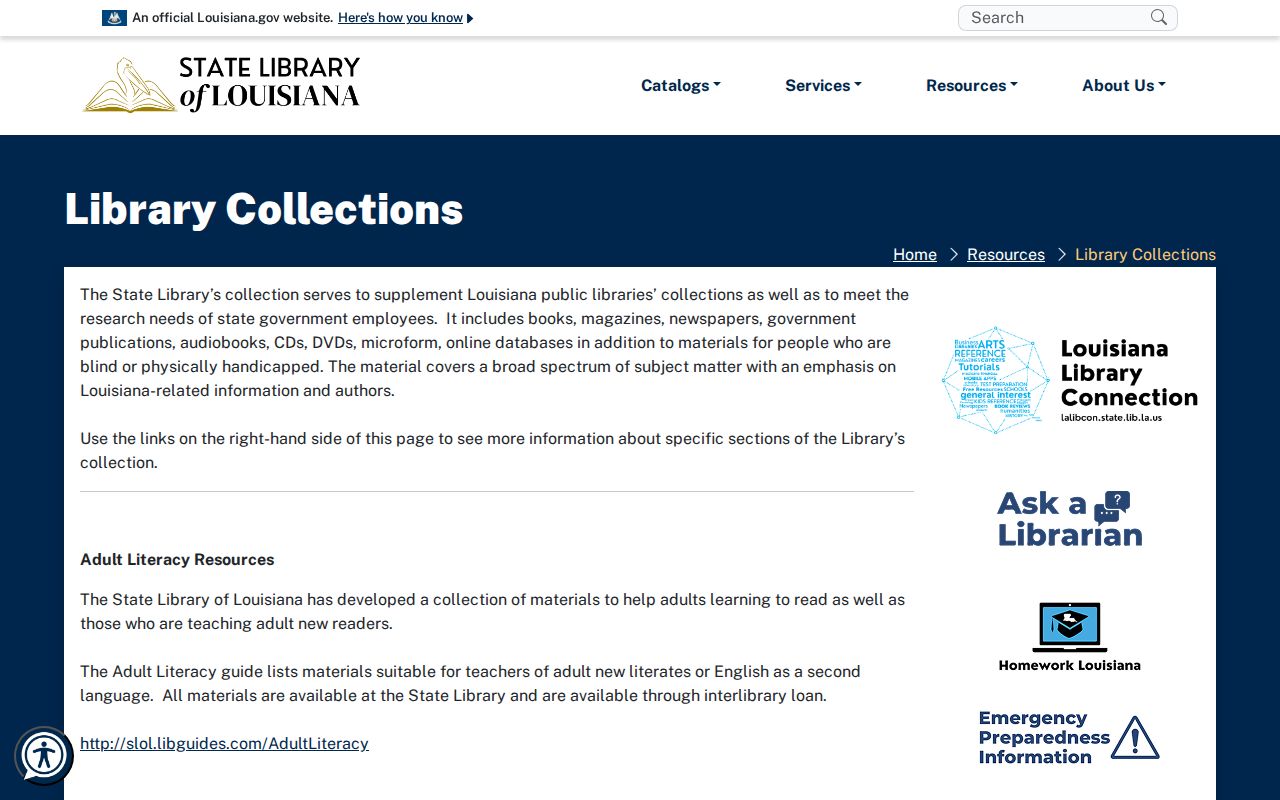
Some of the best Alexandria previous resident evidence is not indexed by address. The Alexandria Historical and Genealogical Library focuses on Central Louisiana family and local history. The State Library's Louisiana Collection holds local history, genealogy, newspapers, maps, and state documents. LSUA Archives and Special Collections holds manuscripts, photographs, yearbooks, organizational records, blueprints, and the Central Louisiana Collection.
The successful State Library collections page introduces the Louisiana Collection.
The LSUA library collections route is another successful manifest source.
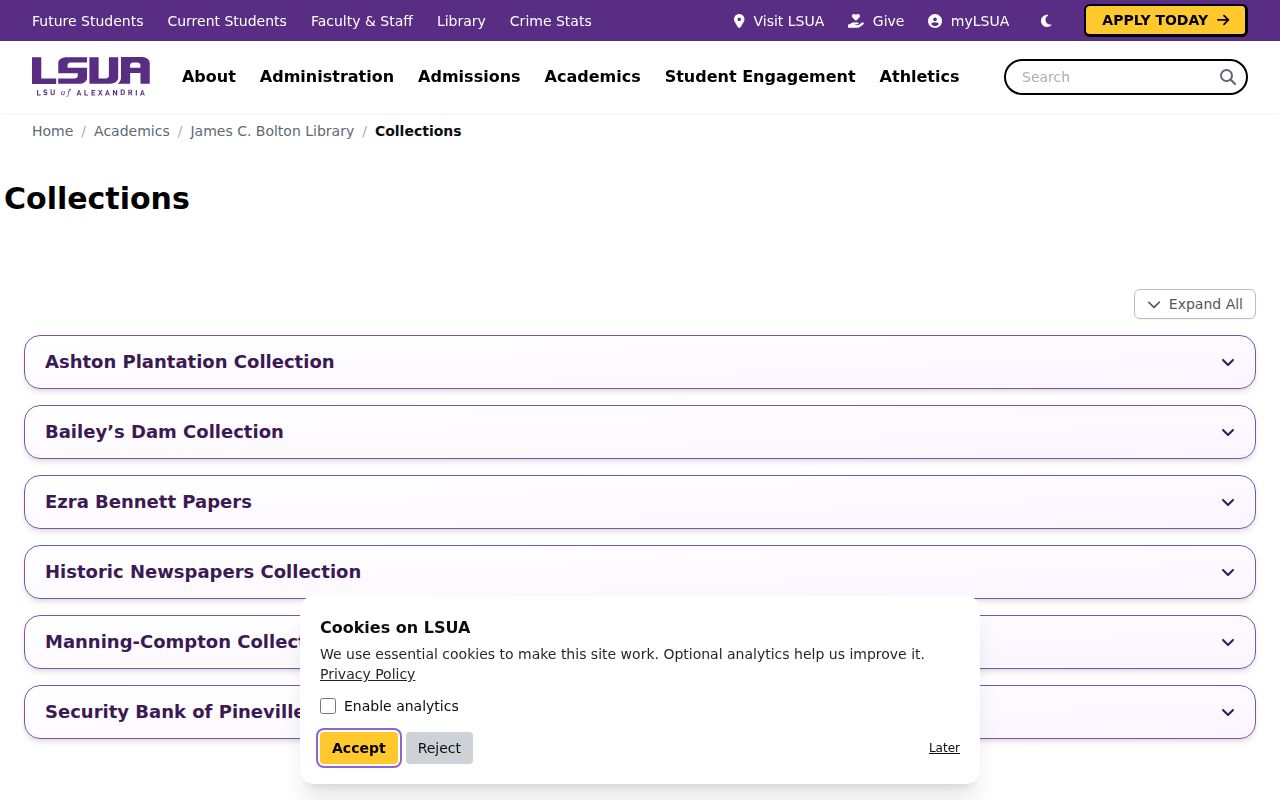
Ask staff for a defined surname, street, organization, collection, and year range. Request the volume/page, box/folder/item, or image citation. In March 2026, LSUA described work digitizing architectural blueprints and drawings and creating a first digital exhibit, with Garden Club records dating to 1926. This timely project adds access, but it does not mean every address is searchable online.
Alexandria Records Span Two Centuries
Alexander Fulton's 1805 town plan provides an early layout reference. Yet no single Alexandria person or address index joins the whole period from that plan to modern portals. The historical trail must move through sources created for different purposes. The 1885 Sanborn maps describe buildings. The 1906 directory lists people and firms. Federal schedules capture households by decade. Recorded instruments preserve legal interests.
Selected RAPID recording material reaches back to 1865, while the major online civil, criminal, conveyance, and mortgage coverage grows from 1984. A local courthouse-fire claim exists in a secondary genealogy source, but the reviewed primary materials did not establish a full loss statement. Treat it as a lead for the Clerk or archives, never as a blanket explanation for every gap.
Modern digitization and the Clerk's 2026 eFile and eRecording notices affect access methods, not the age of every indexed set. Newly electronic filing does not make all older books searchable. Verify the category, coverage start, image status, and custodian.
Resolve Alexandria Address Gaps
No official Alexandria street-renumbering ordinance or bridge year was found. If an old number fails, compare period spelling, suffixes, cross streets, adjoining entries, historic district maps, Sanborn keys, and legal descriptions. The Downtown nomination's street frame and the Original Town, West End, and Garden District maps can narrow a vague location. Street similarity alone is not enough.
Keep three conclusions apart: the source was searched with no hit, the source does not cover the year or place, and an official record confirms nonexistence. Most failed address searches fall into the first two groups. Log the repository, years, terms, result count, and whether staff checked material that is not digitized.
Use Alexandria Past Household Evidence
Previous residents are not the same as past owners. A deed names parties to a legal instrument. A directory can associate a person or firm with an address in one edition. A census can list household members at an enumeration date. A newspaper can add an obituary, event, or legal notice. A map can show a building but not its occupants. The sound conclusion names the exact association and date.
For house history, report the address as supplied, its verified map and parcel context, each recorded owner, and each separately sourced household lead. Mark missing images, number conflicts, unknown boundary changes, and protected records as gaps. That record is more useful than a smooth but unsupported list of people.
Lawful use. Research Alexandria past residents for family history, estate work, or property history. Never use a finding to track, harass, or harm a living person.